Turner Veterinary Clinic News
Pet Safety In Warmer Temps
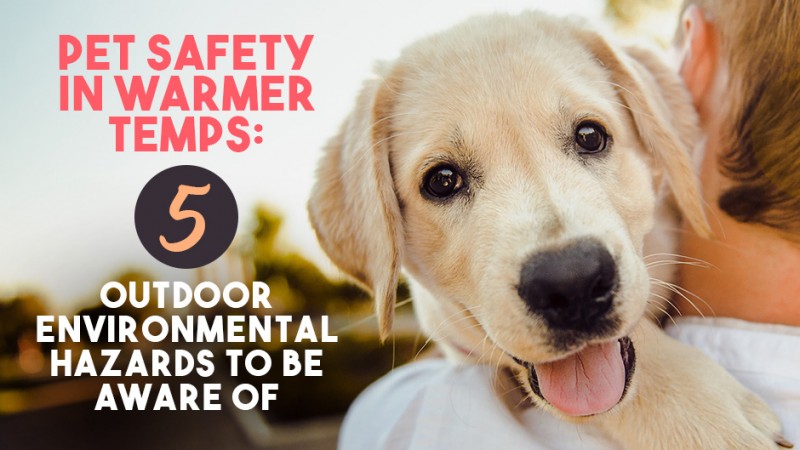
As a pet owner, you look forward to the warmer spring weather because it means you can finally spend more time outdoors with your furry friend. Unfortunately, it also means more exposure to environmental hazards for your dog or cat. This requires awareness of these dangers and active steps on your part to help your pet avoid them.
Guard Your Pet’s Heart: Why Prevention Just Makes Sense

The heartworm parasite presents a serious and sometimes fatal threat to companion animals. Unfortunately, it is not difficult for your pet to be infected, and it’s difficult to treat in dogs. There is no heartworm treatment for cats.
In it Together - Devoted Resolutions

It’s a new year, and you have vowed to get in shape and improve your health. Although you might have made this resolution before only to fall back into old habits before the end of January, you mean it this time. The good news is that having a pet gives you even more motivation to achieve better health. Not only does the love of your furry companion give you the incentive to take better care of yourself, but it encourages you to improve your pet’s health as well.
Categories
Recent Posts

The backpacks are packed, alarms are ringing earlier, and suddenly the house is much quieter during the day. While families may be settling into a familiar school-year rhythm, pets can be left wondering where everyone went. Dogs and cats often become accustomed to summer routines filled with extra attention, playtime, walks, and companionship. When those routines change, some pets adapt quickly, while others may show signs of stress. Fortunately, a little planning and patience can make pet schedule changes easier and help your companion feel secure in the new routine.

The dog days of summer are here, and the hottest stretch of the year brings some real risks for pets. Between backyard barbecues, hikes, and long afternoons at the park, there's still plenty of season left to enjoy, but bee stings, tempting barbecue foods, and soaring temperatures are among the most common reasons pets need medical care this time of year.

Few things are more frightening for a pet owner than realizing their dog or cat has gone missing. Whether a gate was left open, a leash slipped loose, or an indoor cat darted out the front door, pets can become lost in an instant. While collars and ID tags are important, they can fall off or become damaged. That's why pet microchipping has become one of the most reliable ways to help reunite lost pets with their families.
If you've ever wondered what pet microchipping is or how it works, here's what you need to know.

You give your dog a bath and suddenly spot fleas. Or maybe you missed a dose of heartworm prevention and start to worry. Many pet owners find themselves asking the same question: Do I really need to give parasite prevention every month, or can I just treat problems if they show up?

February is often associated with love, thanks to Valentine’s Day, and that makes it a perfect time to show extra care to the pets who mean so much to us. While treats and cuddles are always appreciated, one of the most meaningful ways to support your pet is by focusing on their health from the inside out. Dental health and heart health may seem like separate topics, but they are closely connected and both play a major role in your pet’s overall wellness.